Train Station 3: Rail Games 3D
PIXEL FEDERATION, s.r.o.Strategy
4.31.44K Reviews
- Version
- 2.3.3
- Installs
- 1.00M
- Age Rating
- Everyone
Screenshots
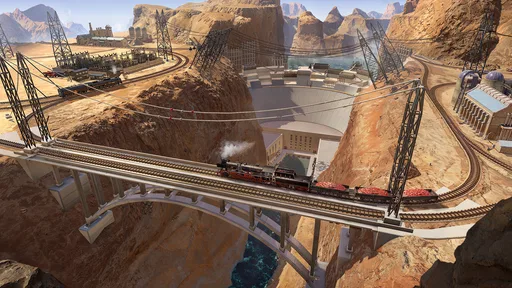
Our Review of Train Station 3: Rail Games 3D
 Analysis by Appyee
I came to Train Station 3 expecting a railway builder, but what holds my attention most is the planning: deciding how to develop a rail network and keep its moving parts working together. That strategic focus makes it a better fit for players who enjoy thinking through small choices than for anyone looking only for a train ride to watch. I also like that it is free to start, though its optional purchases make patience part of the experience.
Why the railway-planning angle matters
Train games can lean heavily on collecting vehicles, designing layouts, or simply enjoying the scenery. This one presents itself as a strategy game, and its appeal is in treating the railway as a system to manage rather than a backdrop. You are asked to think about expansion, trains, stations, resources, and schedules as parts of a shared operation. I find that gives ordinary progress a purpose: an upgrade is not just decoration if it helps the network feel more capable.
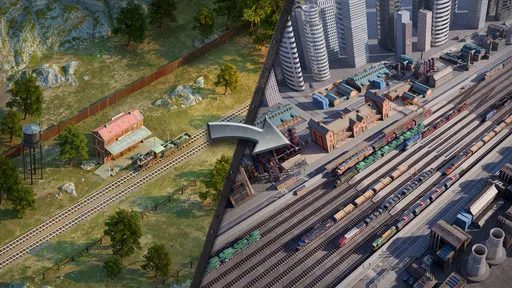
The central pleasure is gradual development. Beginning with a modest station gives the growth somewhere to go, and adding routes and destinations makes the larger project easier to picture. That sense of building an operation suits short sessions as well as longer ones: I can check in with a specific goal in mind, make a few decisions, then leave the broader railway project for another time. It is not the same as a detailed real-world rail simulator, where the main challenge may be controlling a train moment by moment. Here, the strategy is the draw.
How the decisions fit together
In practice, the game asks me to balance several concerns rather than chase one obvious upgrade. Expanding, managing resources, scheduling trains, and improving stations all compete for attention. A useful way to approach that is to pick one bottleneck before spending or expanding: ask whether the station, the available resources, or the current schedule is holding progress back. That small habit makes choices feel more deliberate and helps avoid upgrading simply because an option is available.
I would also treat collecting trains as a long-running side goal, not as a reason to rush. The roster ranges from classic steam engines to modern electric trains, which gives the collection a pleasing sense of variety. But a new engine is most satisfying when it complements the network you are developing. If collecting becomes the only objective, the strategic layer can start to feel like a waiting room between discoveries; if I keep a practical network goal alongside it, the two parts support each other.
There is a practical rhythm to this sort of management game: set a priority, make the decisions that move it forward, and return when you are ready to reassess. I would not approach it expecting every session to deliver a dramatic change. Some progress is incremental, and that is part of the appeal for me, but it also means this is not ideal when I want an immediate burst of action. The more enjoyable sessions are the ones where I know what I am trying to improve before opening the game.
Where it fits into an ordinary day
A realistic use case is a quiet break between other tasks. I might open the game while waiting for a meal or settling in after work, check which part of the railway needs attention, and focus on one manageable improvement rather than trying to overhaul everything. That gives the session a clear endpoint. It also makes the game easier to enjoy casually, because I do not need to turn every visit into a long planning session.
For someone who likes transport and logistics, the railway theme adds a specific pleasure that a generic city builder may not. The trains are the visible reward, while the station and scheduling decisions give the collection context. If I want to relax by watching detailed scenery and listening to train sounds, the presentation helps; if I want demanding, hands-on driving, this management-first approach may leave me wanting more. It is worth deciding which kind of railway fantasy appeals before settling in.
A measured fit for strategy fans
PIXEL FEDERATION, s.r.o. developed this free strategy game, and its focus on growing a railway operation gives it a clear identity. It has an average rating of 4.2 from around 16,000 ratings, with over a million installs, which suggests a sizeable audience without guaranteeing that every player will enjoy its pace. The Everyone age rating makes it broadly accessible. The game was released on May 27, 2025, and version 1.15.1 is the current version; it requires iOS or Android 10 or later.
The purchase model is one reason I would set expectations early. Optional in-app purchases range from $0.49 to $199.99 per item, so the upper end is substantial. I can see the appeal of paying to move things along, but I would first try the free route and decide whether the natural pace suits me. A useful personal rule is not to buy something just because a wait or a slow stretch feels frustrating: take a break, then see whether the goal still seems worthwhile. That keeps spending a choice rather than a reflex.
Presentation, and what it can’t replace
The detailed trains and stations make the railway feel tangible, and the changing weather gives the landscapes more character. Train sounds and station ambience strengthen that mood without changing the fact that this is chiefly a planning game. I enjoy having a world to look at while thinking about the network, but I would not confuse attractive presentation with a deep, hands-on simulation of operating a locomotive.
Against the usual alternatives, the choice comes down to the kind of control I want. A conventional train simulator is the better pick if I want to concentrate on driving and realistic operation. A broad city-building game may be better if I want to shape many kinds of infrastructure at once. Train Station 3 is more appealing when I want railway management to be the center of the experience, with collecting and visual detail adding texture around that core.
What to expect from events and the community
Events give returning players another reason to check in, while community discussion can be useful for comparing approaches and learning from other railway fans. I would treat rewards as a bonus rather than a reason to reorganize my whole routine around the game. If a particular event fits the way I already play, it can add a welcome short-term goal; if it demands more time than I want to give, skipping it is a sensible choice.
The developer has a presence in the game’s ongoing development and seeks player feedback. That is encouraging, but I would still judge the experience by the version available to me rather than assuming every suggestion will become a feature. The current version number is useful for identifying the build, but the more important question for a new player is whether the planning loop itself sounds satisfying. If managing gradual progress is not enjoyable, new content alone may not change that.
Who is likely to enjoy the journey
I would recommend it to people who like strategy games with a clear theme, enjoy collecting trains, and are comfortable with progress that unfolds over time. It can work well as a small daily ritual: choose one railway priority, make a few considered decisions, and stop when that goal is done. The strongest tip I can offer is to keep a simple mental distinction between what the network needs and what would merely be nice to own. That makes both upgrades and collection choices feel more satisfying.
I would skip it if I mainly want immediate action, direct train driving, or a game with no temptation to spend. The free entry point is inviting, but the in-app purchase range is wide, and players who dislike waiting or monetized progression may find that friction hard to ignore. It is also not the right alternative to a full transport sandbox if the pleasure comes from designing every detail of a sprawling city. Its narrower focus is a strength for rail-management fans and a limitation for everyone else.
Gameplay Mechanics
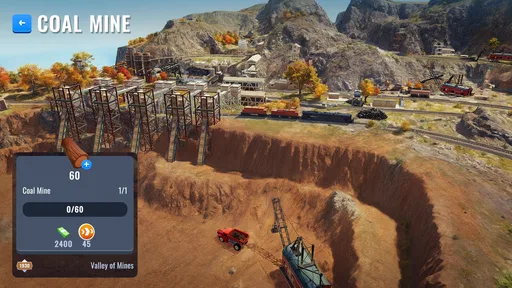
What really hooks you in is the gameplay. It’s not just about laying tracks and watching trains go by; you need to strategize. Each decision impacts your network's efficiency and profitability. You’ll be managing resources, scheduling trains, and upgrading your stations. The game offers a blend of strategic planning and creativity, which keeps it exciting.
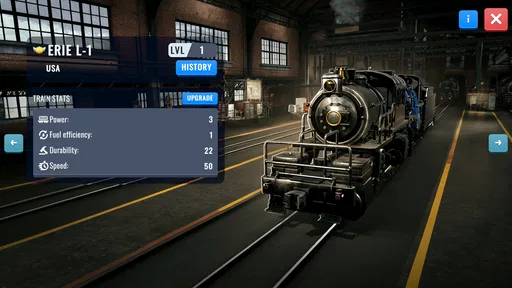
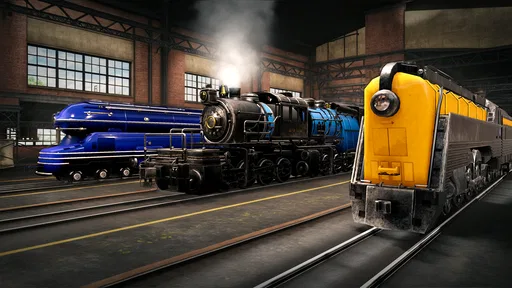
One of the coolest features is the variety of trains available. From classic steam engines to modern electric trains, there’s something for everyone. Collecting these trains adds a Pokémon-like element to the game, where you’re always on the lookout for that next rare find.
Graphics and Sound
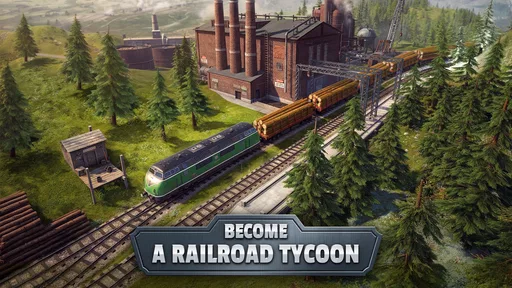
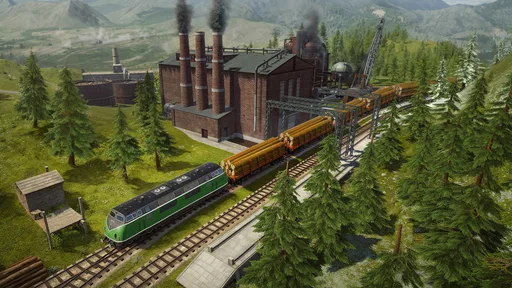
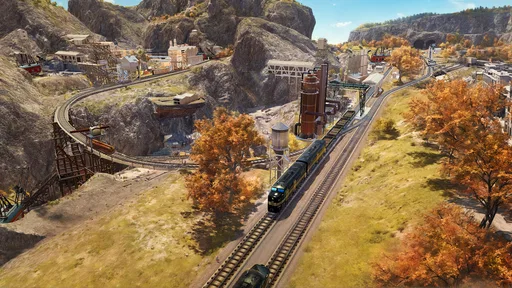
The developers have done a great job with the visuals. The landscapes are detailed, and the changing weather effects add an immersive layer to the gameplay. Whether it's a sunny day or a snowy evening, each scenario has its own charm. The sound design complements this well, with realistic train sounds and ambient station noises that pull you right in.
In-App Purchases and Monetization
Now, let’s talk about the elephant on the tracks: in-app purchases. Train Station 3 is free to play, but like many free games, it offers various in-app purchases. These are mostly for cosmetic items or to speed up the progress. While you can enjoy the game without spending a dime, the temptation to buy that shiny new train might get to you. It’s all about your personal preference and patience.
Community and Events
The game has a vibrant community. Regular events keep the game fresh and give you something to look forward to. Participating in these events can earn you unique rewards, and it’s a great way to connect with other players. Trust me, there’s nothing like sharing tips and tricks with fellow train enthusiasts.
The developers are quite active and often seek player feedback, which is always a plus. They’re continuously working to improve the game and introduce new features, ensuring that the experience remains engaging and dynamic.
Final Thoughts
At the end of the day, Train Station 3 is a solid choice for anyone who loves strategy and simulation games. It’s engaging, visually appealing, and offers plenty of content to keep you busy for hours. Whether you’re managing train schedules or expanding your railway empire, there’s always something new to explore.
So, grab your conductor’s hat and give Train Station 3 a whirl. Who knows, you might just find yourself becoming the ultimate railway tycoon!
Verdict
Strengths of Train Station 3: Rail Games 3D
- Intuitive interface makes navigation easy.
- Wide variety of trains to collect.
- Engaging graphics enhance gameplay.
- Regular updates with new content.
- Community events foster player interaction.
Limitations of Train Station 3: Rail Games 3D
- Requires stable internet connection.
- In-app purchases can be pricey.
- Some tasks feel repetitive.
- Limited offline play options.
- Longer build times can frustrate.
Other Releases by PIXEL FEDERATION, s.r.o.
View All
Diggy's Adventure Puzzle Game
Adventure4.4

Puzzle Adventure: Mystery Game
Adventure4.4

Highway Heroes: Truck Manager
Strategy4.6
Similar Picks in This Category
View All
Clash of Clans
Supercell4.5

Plants vs. Zombies™
ELECTRONIC ARTS3.7

Lords Mobile: Kingdom Wars
IGG.COM4.5

Clash Royale
Supercell4.4

State.io — Conquer the World
CASUAL AZUR GAMES4.1

Car Driving School : Car Games
Spark Game Studios3.9
Frequently Asked Questions
What is Train Station 3 and what can players expect from it?
Train Station 3 is a captivating railway management simulation game available on Android and iOS platforms. Players can expect to build and expand their own train empire by collecting various types of trains, managing resources, and completing missions. The game offers a rich blend of strategy and creativity, ensuring hours of engaging gameplay.
Is Train Station 3 free to play, and are there any in-app purchases?
Train Station 3 is free to download and play, but it includes in-app purchases. These purchases can enhance gameplay by offering additional resources, exclusive trains, or speed-ups for construction and upgrades. While purchases can accelerate progress, they are entirely optional, allowing players to enjoy the game at their own pace.
Does Train Station 3 require an internet connection to play?
Yes, Train Station 3 requires a stable internet connection to play. This is essential for accessing the latest content, updates, and participating in online events. Additionally, an internet connection allows players to connect with friends and compete on leaderboards, enhancing the overall multiplayer experience.
What kind of trains and customization options are available in Train Station 3?
In Train Station 3, players can collect a wide range of trains, from steam and diesel to electric models. The game offers extensive customization options, allowing players to personalize their stations and trains with different skins and upgrades. This feature adds a layer of creativity, enabling players to design a unique railway empire.
Are there any social features or multiplayer elements in Train Station 3?
Yes, Train Station 3 incorporates social features and multiplayer elements. Players can join or form alliances, collaborate on tasks, and compete in global events. These features encourage interaction and strategy sharing, enhancing the community aspect of the game. Connecting with friends adds an additional layer of enjoyment and competitiveness.
Play our best games!


